Decoding Search Intent: A Strategic Approach to Boosting Conversions

Understanding Search Intent: Why It’s Crucial for SEO Success
In the world of SEO, getting your website to rank high isn’t just about stuffing it with keywords, it’s about understanding why people search in the first place. This is where search intent comes in.
Search intent refers to the reason behind a user’s query. Are they looking for information? Comparing products? Ready to buy? Google’s algorithms are designed to serve results that match a user’s intent as closely as possible. When your content aligns with this intent, you naturally rank higher, gain more traffic, and see better conversions.
Ignoring search intent is a costly mistake. A website targeting the wrong intent may attract visitors who quickly leave, increasing bounce rates and lowering dwell time, both negative ranking signals.
Another common mistake is misjudging intent, for example, creating a sales page for an informational query. To succeed, businesses must map their content to the right intent type, ensuring every visitor finds exactly what they’re looking for.
Understanding Search Intent
What is Search Intent?
Every time a user types a query into a search engine, they have a specific goal in mind. Search intent refers to the purpose behind that query, whether they are looking for information, comparing options, or making a purchase.
Search engines like Google have evolved to prioritise content that best satisfies the user’s intent. Simply targeting high-volume keywords is no longer enough. If your content doesn’t align with what users actually want, it won’t rank well, no matter how optimised your page is.
How Search Engines Identify and Rank Intent-Based Content
Google uses advanced AI, machine learning, and natural language processing to analyse search queries. The algorithm examines factors like keyword phrasing, search patterns, and user behaviour to determine intent.
For example, queries starting with “how to” or “why” often signal an informational intent, while searches including “best” or “vs” indicate a comparison mindset. Google then ranks content that best matches the user’s needs, ensuring a seamless search experience.
The Four Types of Search Intent & How to Optimise for Them
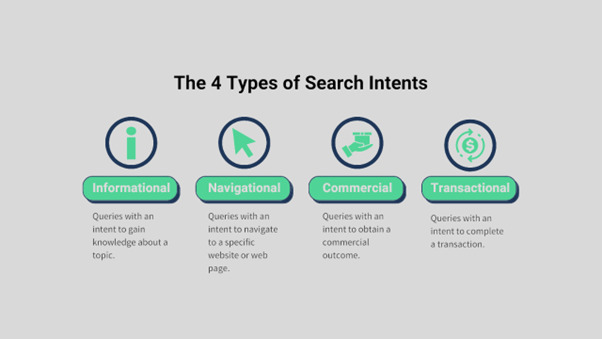
Understanding the different types of search intent is crucial for creating content that ranks well and converts visitors. Each type serves a unique purpose, and optimizing for them ensures your website attracts the right audience at the right stage of their journey.
Informational Intent
Users with informational intent are looking for answers or knowledge. They ask questions like “How does SEO work?” or “What is keyword research?” These users are not ready to buy but are gathering information.
To capture this audience, create blog posts, step-by-step guides, and detailed FAQs. The content should be well-structured, engaging, and provide in-depth insights. Adding visuals like infographics and videos enhances user experience and keeps visitors engaged longer.
Navigational Intent
Navigational intent occurs when users search for a specific website or brand, such as “Nike official site” or “Facebook login.” These users already know where they want to go.
To optimise for this intent, ensure your website ranks for branded search terms. Use clear metadata, structured navigation, and an intuitive site layout. Keeping your Google My Business profile updated also helps users find you quickly.
Commercial Intent
Users with commercial intent are in the research phase before making a purchase. They compare options, looking for searches like “Best SEO tools” or “Top digital marketing agencies.”
Creating product comparison pages, in-depth reviews, and expert case studies can position your brand as a trusted resource. Including real user testimonials and data-driven insights increases credibility and conversion potential.
Transactional Intent
When users have transactional intent, they are ready to take action. These searches often include phrases like “Buy running shoes online” or “Get SEO services now.”
Optimising for transactional intent requires clear, persuasive calls to action, seamless navigation, and mobile-friendly product pages. PPC campaigns and structured product descriptions further enhance visibility and drive immediate conversions.
How Search Intent Impacts SEO & Conversions
Search intent plays a crucial role in determining how well your website ranks, how long visitors stay, and whether they take action. Search engines prioritise content that aligns with what users are actually looking for, ensuring a better search experience for everyone.
The Role of Intent in Ranking, Bounce Rates, and Engagement
When content matches search intent, users find what they need faster, leading to lower bounce rates and higher engagement. A mismatch, however, causes visitors to leave quickly, signalling to search engines that your page is not relevant.
For instance, if a user searches for “best running shoes” and lands on a product checkout page instead of a comparison guide, they are likely to leave. This increases the bounce rate, negatively affecting rankings and conversions.
How Search Engines Prioritise Intent-Based Content
Search engines analyse query patterns, past user interactions, and keyword structures to determine intent. They prioritise content that delivers clear, well-structured, and user-focused answers.
Pages that satisfy search intent often secure higher rankings, attract quality traffic, and achieve better conversion rates, making them a key factor in SEO success.
Optimising Content for Search Intent
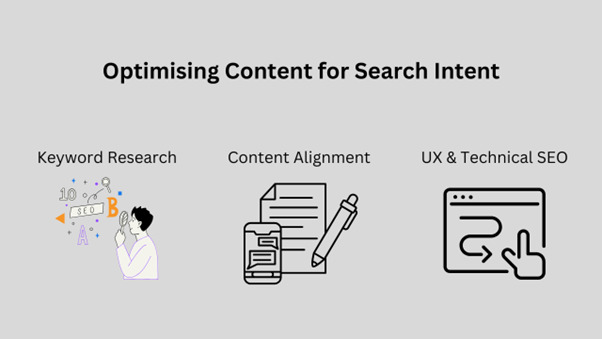
Creating high-ranking content isn’t just about using the right keywords; it’s about ensuring your content fully satisfies the user’s search intent. From selecting intent-driven keywords to enhancing user experience, every element must align with what search engines and users expect.
Keyword Research: Identifying Intent-Driven Keywords
Understanding intent starts with keyword research. Tools like Google Keyword Planner and SEO platforms help identify search terms that indicate whether a user is seeking information, comparing options, or ready to buy.
For example, words like “how to” signal informational intent, while “best” and “vs” suggest commercial intent. Transactional searches often include phrases like “buy,” “order,” or “discount.”
Content Alignment: Structuring for User Expectations
Once the right keywords are identified, content must be structured to meet user expectations. Informational queries require detailed guides, while commercial intent benefits from comparison tables and reviews.
Clear headings, bullet points, and engaging visuals improve readability, keeping users engaged and reducing bounce rates.
UX & Technical SEO: Enhancing Performance and Accessibility
A fast-loading, mobile-friendly site improves user experience and boosts rankings. Structured data helps search engines understand content better, increasing the chances of appearing in rich snippets.
Ensuring seamless navigation, optimised metadata, and responsive design all contribute to a better search intent experience, ultimately leading to higher engagement and conversions.
Tracking & Refining Your Strategy
Optimising for search intent doesn’t end after publishing content. Regular tracking and refinement are essential to ensure your content continues to rank, engage users, and drive conversions. By analysing key metrics and using the right tools, you can fine-tune your strategy for long-term success.
Key Metrics: Measuring Performance and Engagement
Tracking key performance indicators helps identify what’s working and what needs improvement. Click-through rate (CTR) measures how often users click on your page from search results, while time on page reflects content engagement.
Conversion rates show how effectively your content drives desired actions, whether it’s form submissions, purchases, or sign-ups. A high bounce rate may indicate a mismatch between search intent and content.
Tools: Gaining Actionable Insights
Google Analytics and Search Console provide deep insights into traffic sources, user behaviour, and ranking performance. These tools reveal how users interact with your site and highlight areas for optimization.
A/B testing allows you to compare different headlines, CTAs, and content layouts to determine which version performs best. Regular analysis and adjustments ensure your strategy evolves with search trends and user expectations.
Conclusion
Search intent is the foundation of a successful SEO strategy. Understanding why users search allows you to create content that not only ranks well but also delivers real value, keeping visitors engaged and driving conversions.
By aligning your content with user intent, you increase relevance and reduce bounce rates, sending strong signals to search engines that your pages deserve higher rankings. Whether users are looking for information, comparing products, or ready to buy, your content must meet their needs at every stage.
Continuous optimisation is key. Tracking metrics like CTR, time on page, and conversion rates helps refine your strategy over time. Using tools like Google Analytics and A/B testing ensures your content remains effective as search trends evolve.
Mastering search intent isn’t just about SEO—it’s about understanding your audience and providing them with exactly what they need. By doing so, you enhance user experience, build brand trust, and achieve long-term success in organic search.
FAQs
1. Why is search intent important for SEO?
Search intent helps search engines understand what users are looking for and ensures they receive the most relevant results. Aligning your content with search intent improves rankings, increases engagement, and boosts conversion rates by delivering exactly what users need.
2. How can I determine the search intent behind a keyword?
Look at the wording of the keyword—informational queries often include “how to” or “why,” while transactional searches include words like “buy” or “discount.” Checking the top-ranking pages for a keyword also reveals what type of content Google prioritises.
3. What happens if my content doesn’t match search intent?
If your content doesn’t align with search intent, users will leave quickly, increasing bounce rates and lowering rankings. This signals to search engines that your page isn’t relevant, making it harder to rank in search results.
4. How often should I update my content to match search intent?
Search trends change over time, so it’s best to review and update content regularly. Analyse metrics like bounce rates and engagement in Google Analytics to see if your content still meets user expectations.
5. Can search intent impact paid search campaigns?
Yes, targeting the right intent improves ad performance. Using transactional keywords in PPC campaigns attracts users ready to take action, while informational keywords work well for awareness and lead generation strategies.…